

«Es urgente frenar el deterioro ambiental que estamos causando, y tendriamos el poder de hacerlo solo si fueramos conscientes que cada decisión que tomamos compromete nuestro futuro en este planeta»
Paola Ruffo Ruffo
Presidente Consejo Directivo
La Sociedad de Historia Natural Niparajá A.C. se fundó en 1990 como una organización de la sociedad civil, por un grupo de voluntarios Paceños comprometidos con la protección del medio ambiente y un desarrollo ordenado de la sociedad.
Escogimos el nombre de una deidad prehispánica regional para nuestra organización: Niparajá el Dios de los Pericú, señor del cielo, del mar y de la tierra, creador de la península, sus plantas, animales y seres humanos.
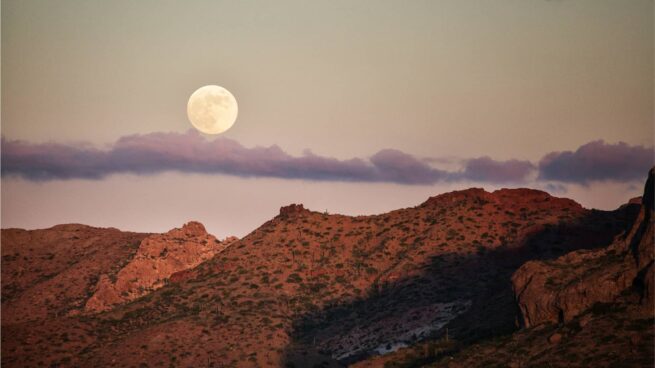
Este programa es el más antiguo y la primera de nuestras iniciativas. Con el Programa de Conservación de Tierras buscamos proteger hábitats prioritarios terrestres y costeros mientras promovemos el desarrollo sustentable de las comunidades, desarrollando estrategias que consideren siempre la interacción de la economía regional con los ecosistemas. El rango geográfico de trabajo de este programa se extiende a lo largo de las Sierras La Giganta y Guadalupe en el corredor costero Loreto-La Paz.
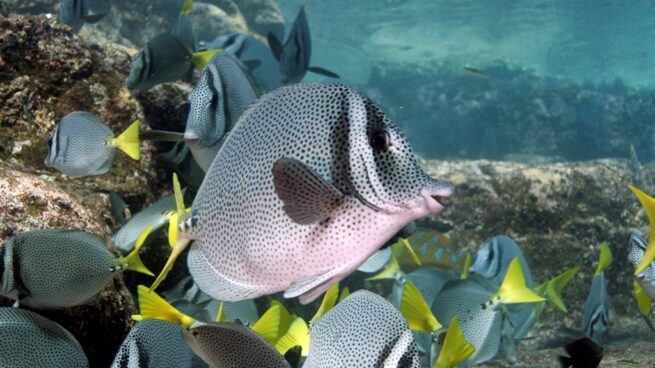
Baja California Sur posee los litorales más extensos de México y de los más diversos en especies marinas. Nuestro Programa de Conservación Marina trabaja con las comunidades locales, investigadores, legisladores, así como autoridades de los tres niveles de gobierno para formular acciones conjuntas para el manejo y protección de la riqueza natural que existe en el Golfo de California en particular las zonas marinas protegidas y su entorno.
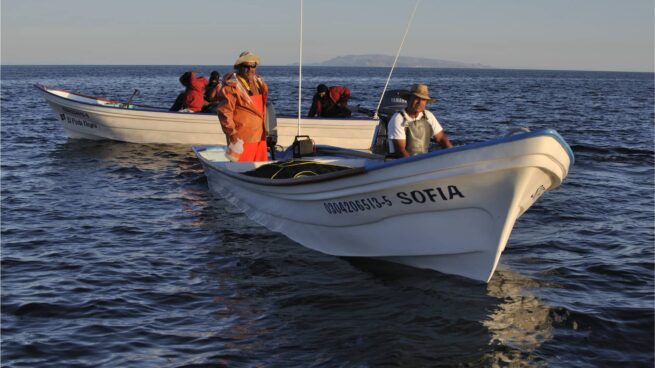
La pesca es una actividad compleja en México y el mundo. BCS es el estado con mayores litorales del país donde la relevancia social, económica y cultural de esta actividad se refleja en una profunda y antigua tradición pesquera de la que dependen miles de sudcalifornianos.
Sin embargo, como es una actividad donde mucha gente comparte el mismo recurso, la importancia de una regulación adecuada y justa que garantice la subsistencia tanto del recurso pesquero como de los pescadores es crucial.
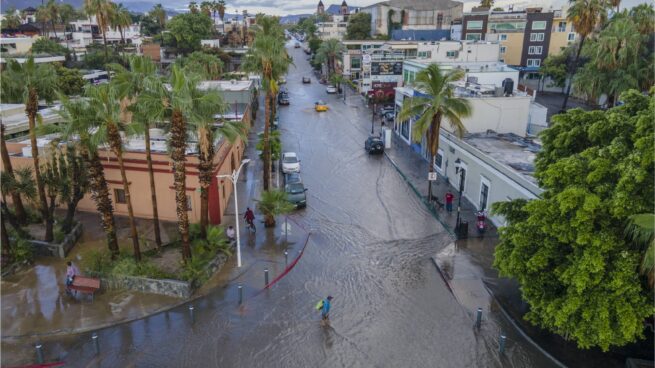
Baja California Sur es el estado donde menos llueve de México. Al gran reto de contar con agua para todos, debemos agregar otros factores como el aislamiento peninsular, el crecimiento poblacional, la sobreexplotación de los acuíferos, su consecuente contaminación por infiltración de agua de mar y la afectación progresiva de las zonas de recarga de agua. La complejidad de esta problemática nos ha llevado a establecer un plan de acción a largo plazo pero con respuestas inmediatas, enfocado al municipio de La Paz por ser el de mayor población en el estado.
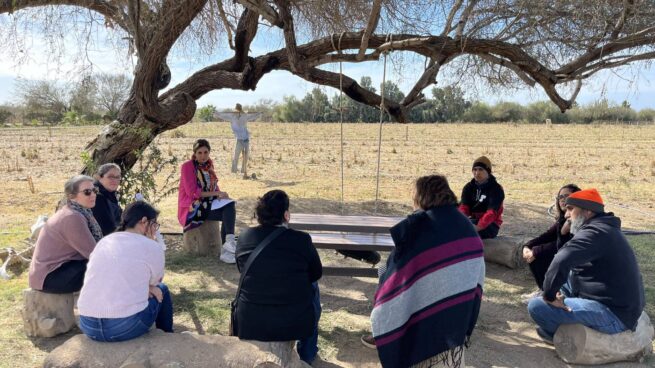
Para Niparajá es muy importante impulsar proyectos y acciones realizadas por la comunidad que propicien la conservación del ecosistema y el desarrollo sustentable en Baja California Sur.
Hay muchas maneras de colaborar con la conservación del patrimonio natural de la región donde vivimos, tan única y especial por su exuberante biodiversidad.
¿Quieres sumarte? ¡Es el momento!